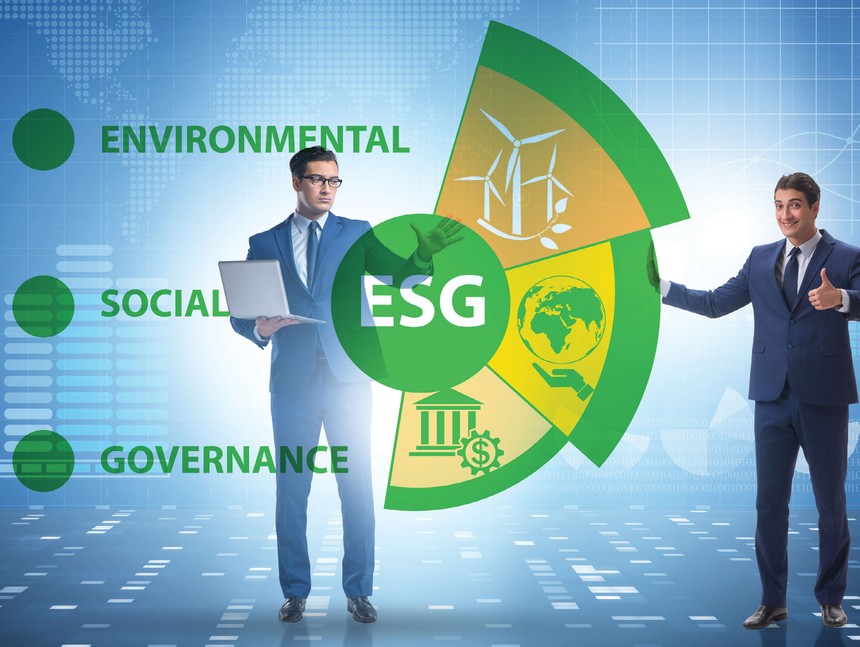
As the world shifts towards sustainable development and responsible business practices, many countries, including Vietnam, have taken positive steps to embrace ESG (environmental, social and governance) goals.
Energy transition should be a priority
Energy transition is particularly important in implementing ESG and is considered the largest contributor to reducing greenhouse gas emissions on the path towards net zero emissions by 2050.
Even so, businesses face quite a few barriers when investing in energy transition, one of which is the significant upfront cost of renewable energy infrastructure and energy-saving technologies. Smaller businesses may struggle to secure the necessary capital.
However, energy transition can be seen as a competitive advantage in the market and will help create long-term value, including a sustainable brand image that attracts investors – thanks to investors’ growing interest in sustainable development projects.
Adopting green energy will also ensure compliance with relevant international and regional policies and regulations, helping businesses avoid carbon emission-related costs in the future. Private businesses should consider a step-by-step transition roadmap. The assessment includes carbon management options and enabling factors for reducing emissions along the company’s value chain.
When asked what prevents private businesses from committing to ESG, 60% cited a lack of knowledge. However, capacity building is still not a top priority for companies, as more than half have yet to show interest in ESG training.
Private businesses can view capacity building as a way of communicating ESG goals to build trust and transparency and to engage employees with corporate strategy. In addition, capacity building can help employees contribute to ESG goals and leverage multidisciplinary skills, combining hard and soft skills to drive progress towards ESG outcomes.
Private businesses, especially family businesses, also need to prioritise ESG reporting. It is an opportunity to showcase their core values and achievements and to make an impression on stakeholders. ESG reporting can be complex, but businesses should start with small steps by focusing on the key ESG issues directly related to their industry and stakeholders.
Source: Tin nhanh Chứng khoán