As the values and goals of sustainable development within Organisations/Businesses receive growing attention, the concepts of CSR (Corporate Social Responsibility) and ESG (Environmental, Social, and Governance) are often confused, because they share some similarities but also have important differences.
Definitions of CSR (Corporate Social Responsibility) and ESG
CSR (Corporate Social Responsibility):
– Definition: CSR stands for “Corporate Social Responsibility”. It is an ethical and social responsibility standard that businesses promote voluntarily.
– Activities: Businesses demonstrate their responsibility to contribute positively to the community and society through activities such as charity, support for education and healthcare, reforestation, recycling, and research into optimal packaging materials.
– Objective: To build a good image and be well liked by customers.
ESG (Environmental, Social, and Governance):
– Definition: ESG stands for “Environmental, Social, and Corporate Governance”. It is an assessment system used by partners and investors.
– Elements: Comprises governance, environment and social.
– Objective: To assess a company’s performance based on its environmental, social and governance impacts. The higher the ESG score, the greater the company’s development advantage.
What do CSR and ESG have in common?
What they share is the “S” element in both CSR and ESG:
1. CSR (Corporate Social Responsibility):
– The “S” in CSR: Stands for “Social”.
– Meaning: CSR focuses on a company’s social responsibility, including charity, support for education and healthcare, and community engagement.
2. ESG (Environmental, Social, and Governance):
– The “S” in ESG: Also stands for “Social”.
– Meaning: ESG assesses a company’s social impact, such as human resource management, employee rights and community engagement.
Thus, both focus on the social dimension, but ESG goes further to include environment and governance. Both strategies serve “Sustainable Development”, but each has its own characteristics and objectives.
ESG includes the elements of CSR (Corporate Social Responsibility) and goes further
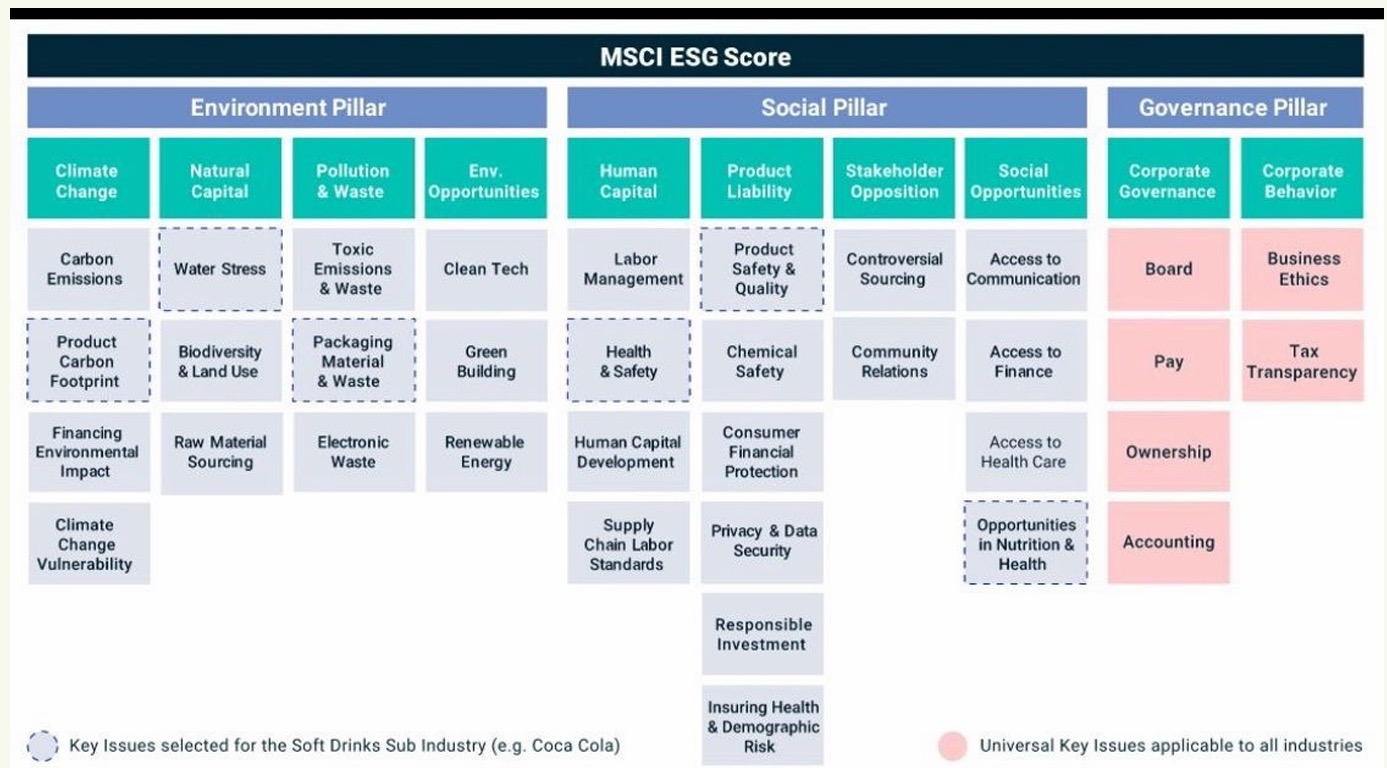
Consider the key points:
– CSR (Corporate Social Responsibility): This is an ethical and social responsibility standard that businesses promote voluntarily. CSR usually focuses on businesses demonstrating their responsibility to the community and society through charity, support for education and healthcare, reforestation, recycling, and research into optimal packaging materials.
– ESG (Environmental, Social, and Governance): This is an assessment system used by partners and investors. It comprises three main elements:
o Environment: Assesses the company’s impact on the environment, including resource use, emissions and climate change.
o Social: Measures the company’s social impact, such as human resource management, employee rights and community engagement.
o Governance: Assesses how the company is managed and run, including its leadership team, shareholder rights and its ability to deal with risks.
The choice between CSR and ESG depends on each organisation’s purpose and capacity
The organisation’s purpose:
– If the organisation’s goal is to build a good image and be well liked by customers, CSR may be the right choice. CSR helps businesses demonstrate social responsibility through charity and community support.
– If the organisation wants a comprehensive assessment of its performance based on its environmental, social and governance impacts, ESG is the more suitable choice.
The organisation’s capacity:
– CSR is usually easier to implement because it focuses on specific activities such as charity, recycling and social support.
– ESG requires the organisation to assess and report on more dimensions, including governance and environmental impact.
Flexibility:
– Organisations can combine both strategies or focus on one of them depending on their specific situation and resources.
Which Businesses/Organisations do CSR well?
In Vietnam, many multinational companies have actively carried out corporate social responsibility (CSR). Here are some examples:
- Abbott Laboratories: The company has taken part in many social activities in Vietnam, including support for healthcare, education and community development.2. IBM: IBM has run many IT education and training programmes for students and lecturers at universities in Vietnam.
- Nestlé: Nestlé has been involved in nutrition, education and rural development activities in Vietnam.
- Pepsico Foods: Pepsico has run many health, education and community development programmes in Vietnam.
- Samsung: Samsung has invested in many social projects in Vietnam, including building schools and providing medical equipment
- Honda: Honda has carried out many road safety and community support activities in Vietnam
- Procter & Gamble (P&G): P&G has taken part in many health, environmental and community development programmes in Vietnam.
Which Businesses/Organisations do ESG well?
Around the world, major economies such as the US, Japan, South Korea, Europe and Australia are all focused on promoting ESG (Environmental, Social and Governance) criteria to improve environmental quality and social balance. Here are some examples of international companies that perform well on ESG:
- Apple: Apple has made commitments on using renewable energy and reducing carbon emissions in its supply chain. It also runs many social programmes such as education and community development.
- 2.Microsoft: Microsoft has set a goal of becoming a carbon-negative company by 2030 and has invested in renewable energy projects. It also promotes diversity and includes social programmes in its business strategy.
- Unilever: Unilever has implemented many sustainability programmes, including reducing plastic waste and strengthening workers’ rights in its supply chain.
- Nestlé: Nestlé has committed to minimising its environmental impact and improving consumers’ quality of life through its products. It also promotes training and development for its employees.
- Johnson & Johnson: The company has carried out many social programmes, including providing free healthcare services to the poor and supporting education for children1.
These ESG actions not only benefit the community but also demonstrate the companies’ commitment to sustainable development and social responsibility.
By ESG expert Phạm Quốc Hưng – CEO of VietESG Company